Qubits
Transmon and fluxonium.
Two designs for the same job. We characterize both: how long they hold their state, how cleanly they can be driven, and what limits them.
Two technologies are being built at the same time, and we work on both with our own hands: superconducting quantum circuits, in experiment and in theory, and AI systems, built and used every day. This page is where we explore them, explain them and ask where they meet.
Play with it
A qubit is not a switch that is on or off. Push it with a microwave tone and it swings smoothly between 0 and 1. Change how hard you push, and how far off its natural frequency you are.
This is the textbook two-level atom under a steady drive, drawn live. It is not a result of ours and not data from any device.
You got ? · 1 came up 0 of 0 times
Where a qubit lives
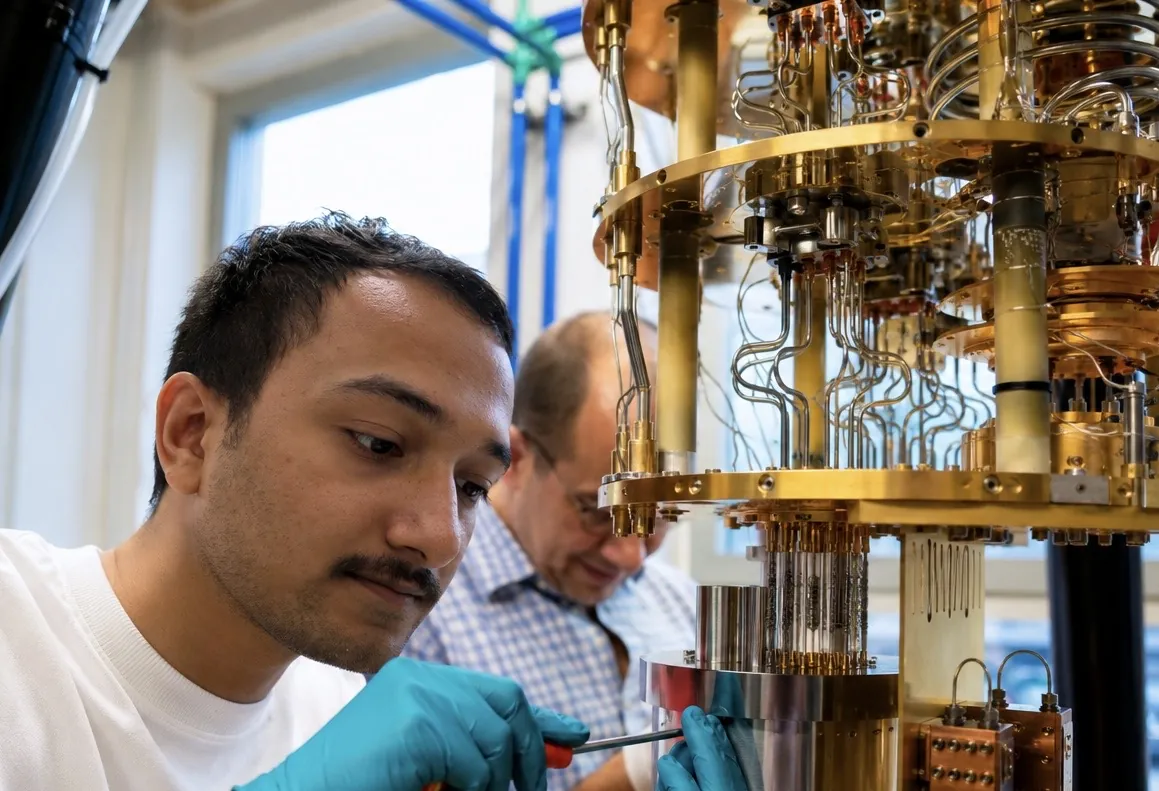
Each plate of the refrigerator is colder than the one above it. The last sits about a hundredth of a degree above absolute zero, some 270 times colder than the space between the stars. Only there does the circuit stay quantum long enough to use.
On the bench
A superconducting qubit is an electrical circuit, cooled until it stops behaving like one. We work on both sides of it. In experiment: making the circuits, cooling them close to absolute zero, and measuring what they do. In theory: modelling them, and working out what to build next.
Qubits
Two designs for the same job. We characterize both: how long they hold their state, how cleanly they can be driven, and what limits them.
Readout
A qubit is read through a microwave resonator coupled to it. Drive that pair hard and its spectrum splits and reshapes in ways that say a great deal about both. We study that regime in experiment and in simulation.
Algorithms
Real qubits are noisy. We study which quantum algorithms still make sense on hardware as it actually is, rather than as it is imagined.
Method
Every measurement is checked against a simulation of the same circuit. When the two disagree, that is where the physics is.
Two directions we are keeping open. Neither is decided, and we will say more when there is more to say.
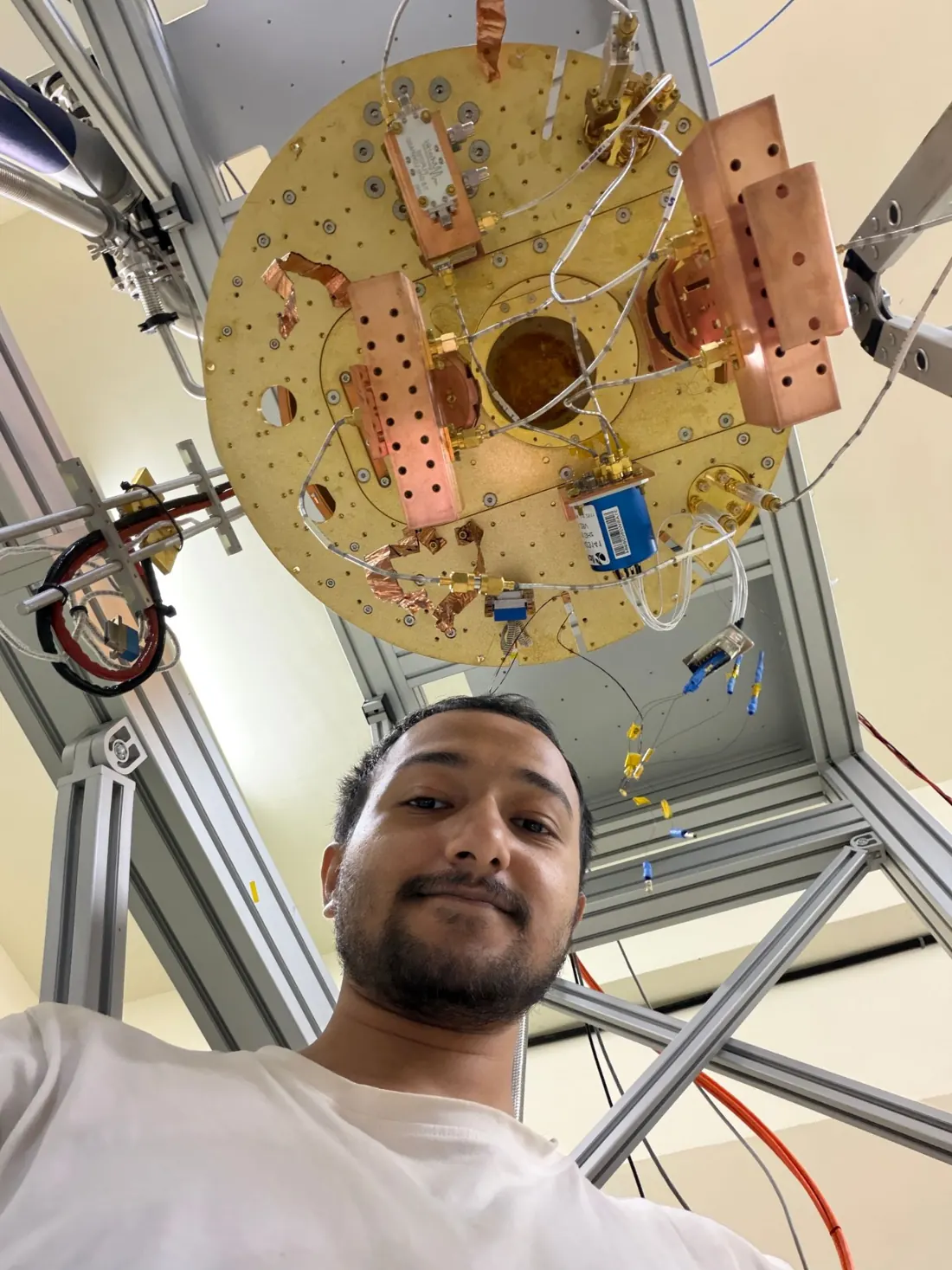
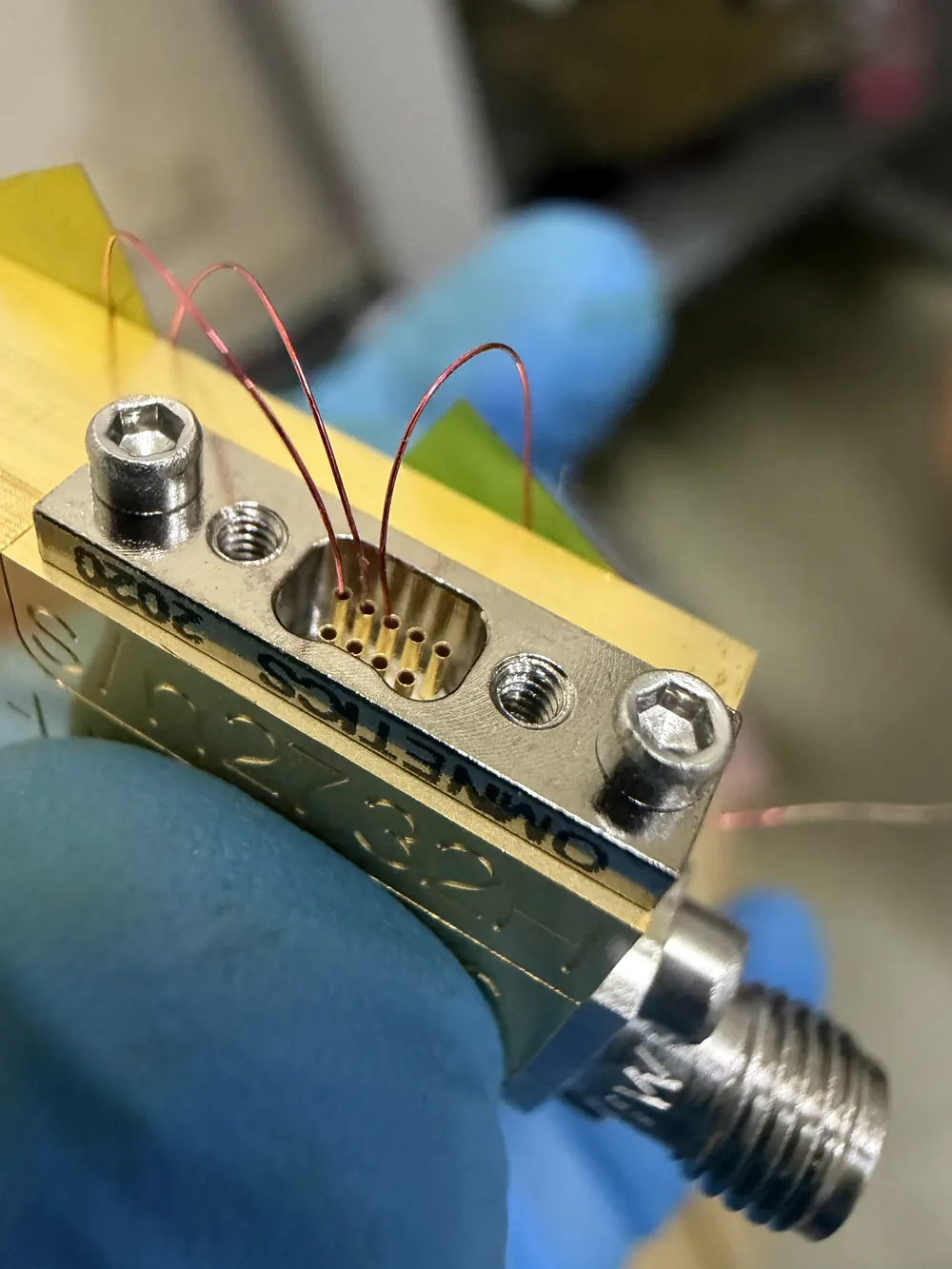
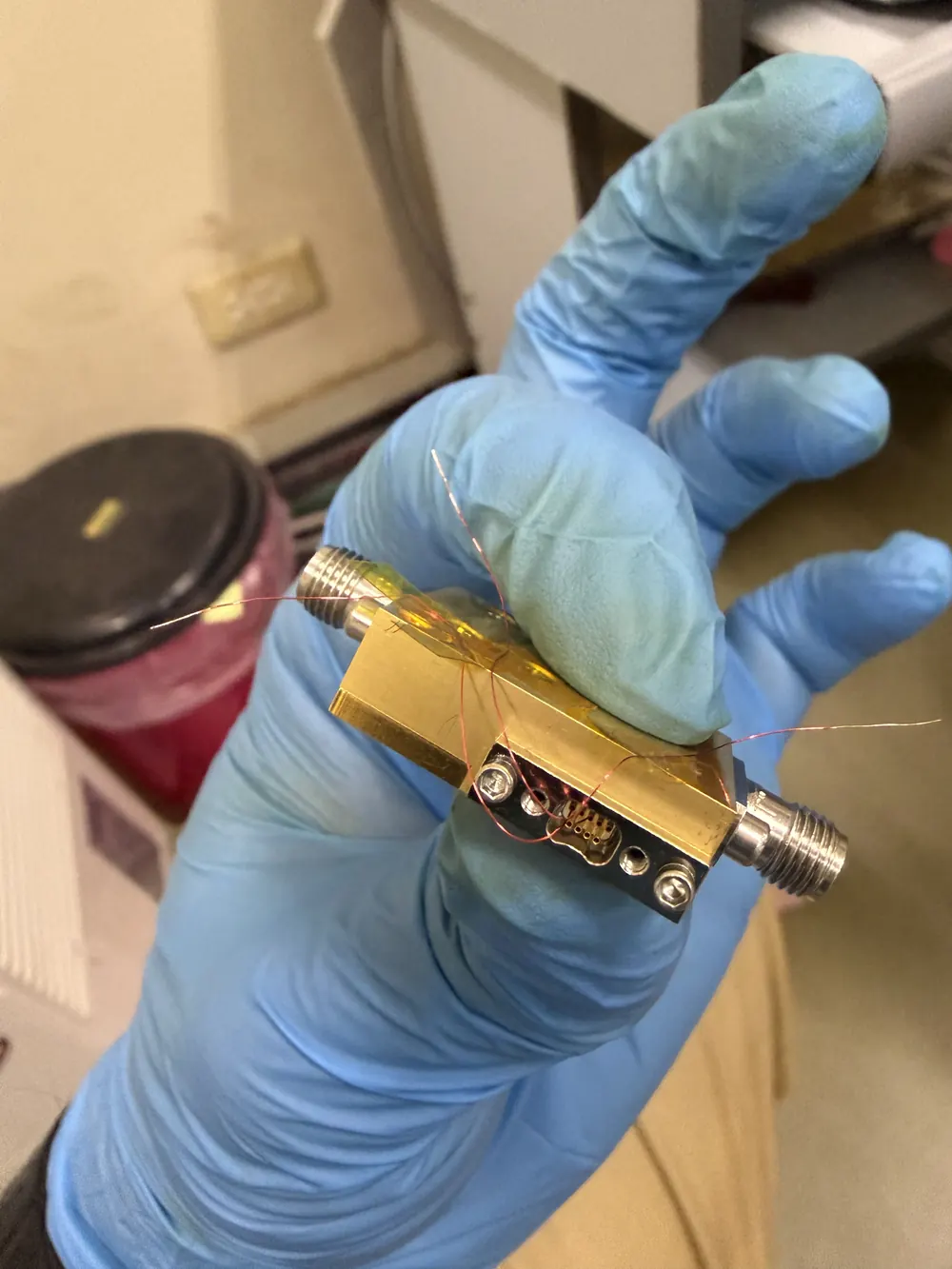
The laboratory is in Taiwan and is not owned or operated by Vishwa Vigyan. Measurements made there are shared only after publication and the relevant approvals, so this page shows directions and equipment, not results.
Play with it
Thread a magnetic field through each circuit and watch its energy levels. The transmon ignores it. The fluxonium reshapes itself, and at the half-way point its two lowest levels come close together, far from all the others.
Both circuits are solved live from their standard equations, with illustrative values (transmon: Ej 15, Ec 0.25; fluxonium: Ej 4, Ec 1, El 1, all in GHz). These are not our devices and not a result of ours.
On the desk
One model answering one question is the old picture. The new one is many agents, each with a job, sharing one memory: one plans, others build, one checks, one ships. Give them a task and watch it move.
An illustration of how such a team is organised, not a recording of a real run.
Waiting for a task.
What we have, what we are after
We do not only read about AI. We build systems with it and run our own work on them, then sell what proves itself.

I can help you build your AI.

For your business
What we build for ourselves here, we build for businesses at VV Automate: AI agents, bots and custom systems that take the repeated work off your team.
Field notes · October 2026
Short notes, kept current. What is established is stated plainly and linked to its source. What is opinion is ours.
Coming: the playground

The two pictures above are the first pieces of something larger: a place where anyone can learn quantum computing and AI from scratch, by trying things and seeing what happens.
Being built
From a single qubit to gates, circuits and noise, each step something you can move with your own hands. No equations needed to start.
Being built
What a model is, how it learns, how an agent uses tools and memory, built up from small working pieces you can change and break.
Under construction. Until it opens, students can start here:
Projects